
Bunion surgery
Bunion surgery recovery: what to expect, week by week
Last updated · Written by the BunionEase UK team
Quick answer
Recovery from bunion surgery usually takes several months. According to the NHS, you'll typically wear a special shoe or boot for around 6 weeks, it can take 6 to 8 weeks before you can drive, and it may be several months before swelling settles fully. Your surgeon's advice always comes first.
When is bunion surgery recommended?
The NHS explains that surgery is the only way to remove a bunion and is usually offered when pain is severe and other treatments haven't helped. It's not normally done just for appearance. Your GP can refer you to a specialist to discuss it.
Typical bunion surgery recovery timeline
Timelines vary by procedure and person. Always follow your surgical team's plan.
| Time after surgery | What usually happens |
|---|---|
| Day of surgery | Often a day case; you go home with a special shoe or boot |
| First 2 weeks | Rest with your foot raised; dressings and stitches checked |
| Around 6 weeks | Special shoe often no longer needed; move to wide, comfortable shoes |
| 6 to 8 weeks | Many people can drive again, if your surgeon agrees |
| Several months | Swelling settles and you return to normal activities |
Tips for a smoother recovery
- Keep your foot raised as much as possible early on
- Take painkillers as advised
- Keep dressings clean and dry
- Do any exercises your physio gives you
- Arrange help at home and time off work in advance
- Wear wide, soft shoes once allowed
Possible risks
Like any operation, bunion surgery has risks, which your surgeon will explain. These can include infection, stiffness, ongoing pain, numbness or the bunion coming back. Ask questions so you can make the right decision for you.
Trying non-surgical options first
Many people want to see whether non-surgical care makes them comfortable enough before considering an operation. The NHS suggests wide shoes with a low heel, bunion pads, ice packs and painkillers, and a podiatrist may suggest insoles or toe spacers.
- Wide, low-heeled shoes
- Bunion pads or gel sleeves
- Gentle exercises
- A bunion corrector at home
Can I use a bunion corrector after surgery?
Don't use any splint, corrector or EMS device on a healing foot unless your surgeon says it's OK. After surgery, follow your surgical team's aftercare plan.
BunionEase is a comfort and support device. It is not intended to diagnose, treat or cure any medical condition. See your GP or a podiatrist if pain is severe or getting worse. Do not use the EMS function if you have a pacemaker or other implanted device, are pregnant, have epilepsy, or have broken skin on the foot.
Considering BunionEase before surgery?
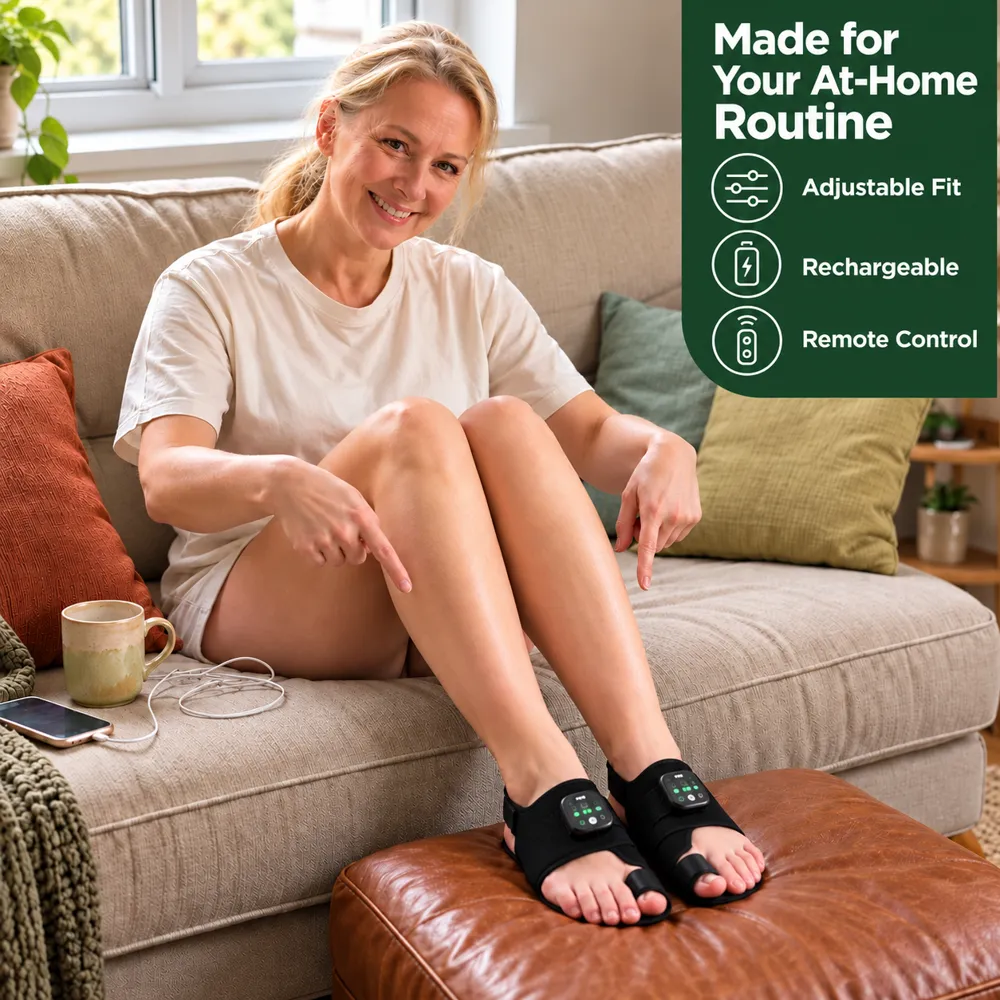
If you'd like to try non-surgical support first, BunionEase pairs an aluminium toe splint with gentle AlignPulse EMS, used for about 15 minutes a day at home. It won't remove a bunion, but it may help you feel more comfortable.
Choose the Left or Right Single Pack, or the Both Feet Duo Pack with free tracked UK delivery. 90-day money-back guarantee included.
Common questions
How long does it take to walk after bunion surgery?
Many people walk in a special shoe soon after surgery, but full recovery takes months. Follow your surgeon's advice.
How long off work after bunion surgery?
It depends on your job. Desk jobs may mean a few weeks; jobs on your feet may need longer.
When can I drive after bunion surgery?
Often around 6 to 8 weeks, but check with your surgeon and insurer.
Is bunion surgery painful?
You'll have pain relief. Discomfort and swelling are common in the early weeks.
Can bunions come back after surgery?
Sometimes. Your surgeon can explain the risk for your procedure.
Can I get bunion surgery on the NHS?
Yes, if it's clinically needed. Speak to your GP about a referral.